How we work
Who gets called when it breaks?
We find out how the work really gets done. Then we fix it. Nobody quotes you anything until we have walked your week with you: which steps nobody ever put on paper, and what stops the day one desk is empty. Our rules are on this page, including the work we turn down.
In their words
Working with this company was a lifesaver. The questions I did not even ask were answered.
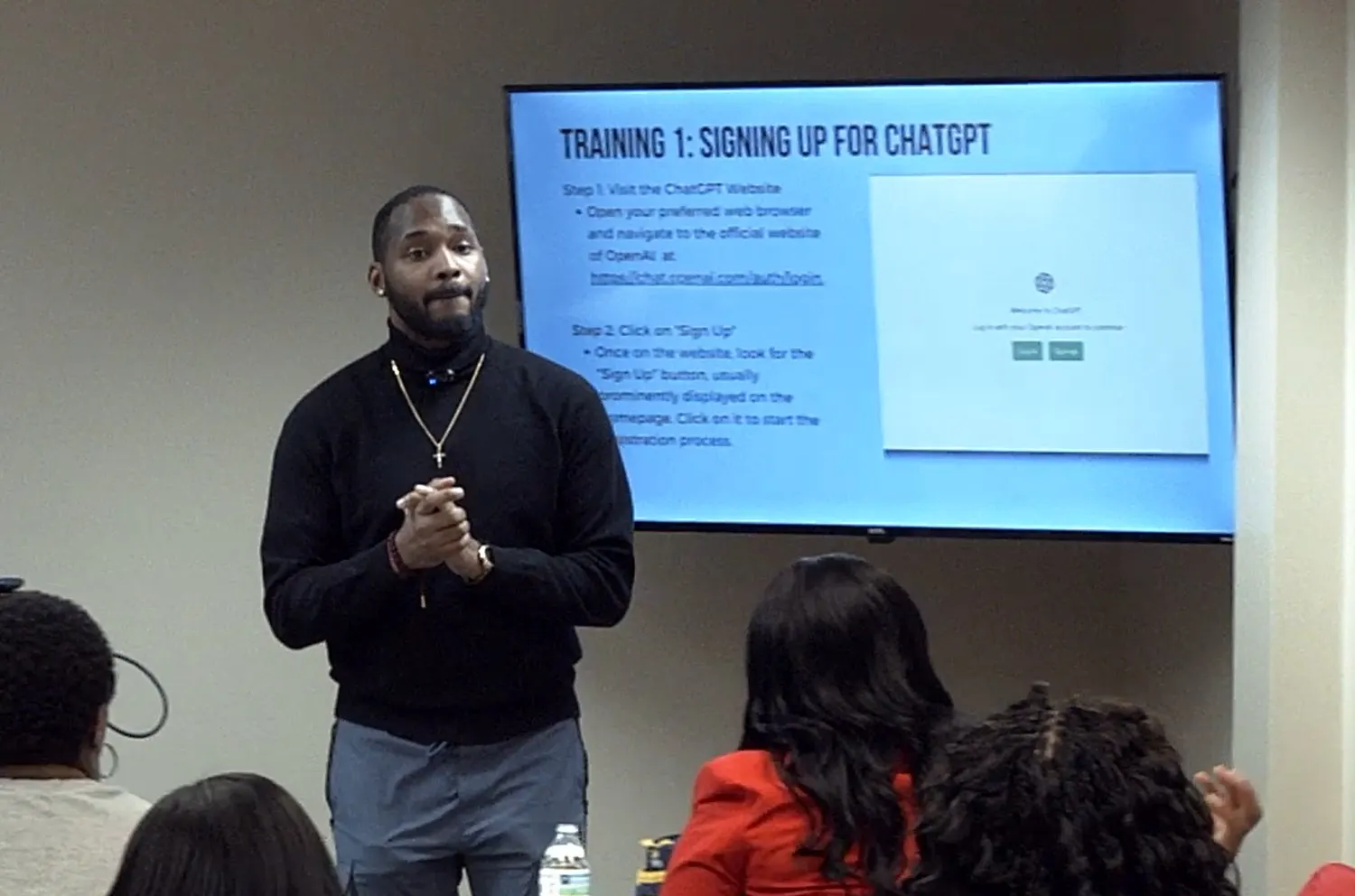
The information I learned today about how to use AI was a “game changer”! I literally now have another marketable skill and service that I can generate income with as a consultant.
Inside the audit
What an audit finds, area by area.
An audit walks the business one area at a time and writes down where the work stalls, who it waits on, and what nobody ever got around to writing down.
Audit checklist. Examples of what we typically find.
- High
- Medium
- Low
| No. | Area | What we typically find | Severity |
|---|---|---|---|
| 01 | Quoting | The same job gets priced from scratch every time, because the last one that matched it is sitting in somebody’s sent folder. | High |
| 02 | Scheduling | Two calendars, a whiteboard and a group chat, and by Wednesday none of them agree on who is where. | High |
| 03 | How it gets done | Most of it was never written down, and the part that was went out of date the day the person who wrote it left. | High |
| 04 | Files and records | The current version is on a desktop, an attachment and a shared drive, and the three of them disagree. | High |
| 05 | Support | The answer a customer gets depends on who picked up the phone, because the good answers live in three people’s heads. | High |
| 06 | Onboarding | A new hire learns the job by interrupting the busiest person in the building with the questions the last hire asked. | Medium |
| 07 | Programs and events | The run of show, the vendor list and the volunteer roster all live in one person’s phone, and the same event gets rebuilt from nothing the following year. | High |
| 08 | The software you pay for | Subscriptions renew every year for tools two people learned and nobody else opens. | Medium |
These are the areas an audit walks through, and the notes are the kind of thing it usually turns up. What yours finds depends on how your business runs, who has been there longest, and what got built around them. Nothing in this table is a measured result from a client, and severity is our own read on how far a problem reaches.
The rules
What we take on, and what we turn down.
Six rules, the same six for every client. Three are what you get. Three are the work we turn down, and if one of those is the job you were about to hire somebody for, we are the wrong firm and this page just saved you a meeting.
What we take on
You keep the software you already pay for.
Nobody here tells your team to throw out a system they just finished learning. We build around what is already in the building, because ripping it out is the fastest way to lose the people who have to use it.
You get a firm that knows your business by name.
We go deep with a few companies instead of shallow with many. It is a decision about how many we take on, and it is why you can call and get somebody who already knows how your week works.
The plan is yours the day you pay for it.
Take the audit somewhere else and build it there if you want. You paid for the work and the work is yours, which is the only thing that keeps our read on your business honest.
What we turn down
A job aimed at cutting people.
If the number you are chasing is fewer people on payroll, we are the wrong firm and we will say so on the first call. What your best people get back here is their own week.
Building something before anybody has looked.
Ask us to skip the audit and start building and we pass. Every fix we have watched fail started with somebody in an office guessing how the work actually moves, and we would rather lose the job than sell you that guess.
Work nobody inside your company will own.
One person on your side has to put their name on changing how the work gets done. Somebody always volunteers to own it in the meeting. The test is whether they open it in March, and we would rather tell you that now than bill you to find out.
Every job we take
The Pathworth Method.
Five steps, in order, and the same five whatever we end up making. You can stop after any one of them and keep everything you paid for, including the plan.
Listen
We sit down and you walk us through a normal week. Nobody gets pitched, and nobody gets told to throw out what they already use.
- How your team really works, day to day
- What software you already pay for
- Where the same work by hand is eating the week
- Who your best people are, and what happens the week they are out
- What is really holding you up: time, wasted steps, leads going cold, or growing too fast
What you walk away with
A clear picture of what an audit would look at, and what it is worth to you in money.
Diagnose
We go through the whole place and write down how it really runs, next to where you say you want it to go. We follow the work to the people doing it and we ask them. The most accurate description of how your company works is in the head of somebody nobody has ever asked for it.
- What is working, and has to be left alone
- What is slowing you down: repeat tasks, the same thing typed twice, chasing people
- Where something important is known by one person and nobody else
- What you pay for against what is actually earning its keep
- Which of it is a problem with how the work is set up, and can be fixed without buying anything
What you walk away with
The audit stands on its own. You own every finding and you can take it anywhere and have somebody else do it, which is what keeps our read on you honest.
Blueprint
We come back and read the plan with you, line by line, so you see what we would make before you pay anybody to make it.
- A short written summary: what we found, what it costs you, and the decisions in front of you
- The full plan, split into three time frames
- Right now. The fast wins and the easy fixes
- Six to twelve months. The pieces that change how the day runs
- Years two to five. What it grows into as the company grows
What you walk away with
A full breakdown of what we would make, and what each piece costs, before you commit to any of it.
Build
We make what the plan called for and put it into the working day. The people who found the problem are the people who fix it.
- Put inside the software your team already opens every morning
- How the business talks, sells, prices and runs, written down where a new hire will find it
- The wasted steps the audit named, taken off the week one at a time
- Your people taught how to use it by the people who made it
- Put in a piece at a time, so the business keeps running the whole way
What you walk away with
The plan standing up in your building, run by your own team, with us on the phone while they get used to it.
Upkeep
None of this looks after itself. A price goes out of date quietly, and nobody notices until a job comes back at last year’s number. We stay on it as your software changes and the business grows, and every judgment stays with your people.
- Watching how the work actually runs, and clearing whatever gets in the way next
- Keeping what the company knows current as services, prices and people change
- Starting the six to twelve month work, and then the years after, as you get there
- Keeping paperwork off your best people
- One number to call the week something changes
What you walk away with
The gains hold, nothing walks out the door when somebody leaves, and your best people spend the week on the work only they can do.

The part most firms skip
It only counts once your team can run it without us.
Your people get taught on your own work, in your own words, by the same people who made it. We stay on the phone while they get used to it. A month later it is simply how the place runs, and nobody is waiting on one person to remember.
The two halves
Consulting, then Solutions.
Either half stands on its own, and most companies take both, in this order. The same people carry the work the whole way. You never get handed off to a crew that was never in the room.
Consulting
We follow the work through your place and write down how it really moves. Who gets called when it breaks, which steps nobody ever put on paper, and what stops the day one desk is empty.
Most firms skip this part. There is a binder on a shelf in your office from the last outfit you hired, and nobody has opened it since the week it arrived.
Solutions
We make what the audit says you need, and then we run it. That is the written record of how your business works, the tools that use it, and the monthly job of keeping both current.
We do the upkeep, so nobody on your team quietly becomes the person who maintains it.
What gets built
Brain Power Concierge.
Everything your business knows, written down in one place, and plugged into the AI your team already opens.
It comes straight out of the audit, so it matches how you already work. Made once, yours to keep, and updated every month as the business changes.
See how it works
Before you ask
The questions we actually get.
Answered the way we would answer them on the phone.
Ask us something elseHow are you different from every other AI company right now?
Most of them sell you a tool and leave. We start by working out how your business actually runs, and we only make something once we know that. Then we run it for you. The other difference is that we have run this company on AI staff of our own since 2022. People do the work you see, and the AI staff do the paperwork underneath it, which is why one firm can go this deep with a few companies at a time.
Do we have to throw out the software we already pay for?
No, and we will push back if somebody suggests it. We build around what you already have. Being told to replace everything is the fastest way to lose a team, and it is usually the wrong answer anyway.
Is this going to replace people on my team?
No. We do not take work whose stated goal is cutting headcount. What your best people get back is their own week, because the questions only they can answer stop landing on their desk.
What if we are not ready for AI?
Then the conversation is free and we will tell you so. Readiness comes down to one thing: whether there is repeatable work and knowledge trapped in somebody’s head. Most businesses have both, and some are better served by fixing a process than by buying anything.
How much of my team’s time does this take?
You hired us to take work off their plate, so we keep them involved only where their knowledge is the thing we need. A few interviews and a review at the end.
What happens after you build it?
We keep running it. New people, new services, new tools and new answers all change what it needs to know, and anything nobody looks after stops being true inside a year. Nobody on your team becomes the person who maintains it.
What does it cost?
The conversation costs nothing. We price the audit, and then the work after it, because a number given before anybody has looked at your business is a guess wearing a suit. The plan is yours to keep either way, including if you take it somewhere else and have them do the work.
How it actually goes
The people who find the problem are the people who build the fix.
The same faces sit with you, write the plan and make the thing. A year later you call the number you have always called, and whoever picks up already knows which job you mean.

The next step
Bring whoever knows where the week actually goes.
You walk us through a normal week, we ask who gets called when something breaks, and we tell you what we would go after first and what it takes. Everything you need to start is on the next page.
One call, no charge, and no obligation after it. If the honest answer is that you do not need us, that is the answer you get.
Keep going
The product
Brain Power
Everything your business knows, written down in one place and plugged into the AI you already pay for.
Take a lookThe receipts
Our work
100+ systems built in house, 29+ AI staff working here, and what clients said in their own words.
Take a lookThe way in
Start a conversation
One call, no charge. You tell us how the place runs and we tell you straight whether an audit is worth paying for.
Take a look